






What happens when JEWISHcolorado’s Women’s Philanthropy joins forces with the Jewish Community Relations Council (JCRC) and descends on the Colorado Capitol for a day?
A lot of listening, learning, and leading takes place—as more than a dozen women discovered recently at Women’s Advocacy Day, a Smart Women, Smart Conversations and JCRC event of hands-on advocacy and mobilization training.
Early on a Wednesday morning, the women gathered at the State Capitol for the second annual Women’s Advocacy Day, led by JCRC Senior Director Brandon Rattiner and Director of Women’s Philanthropy Roberta Witkow.
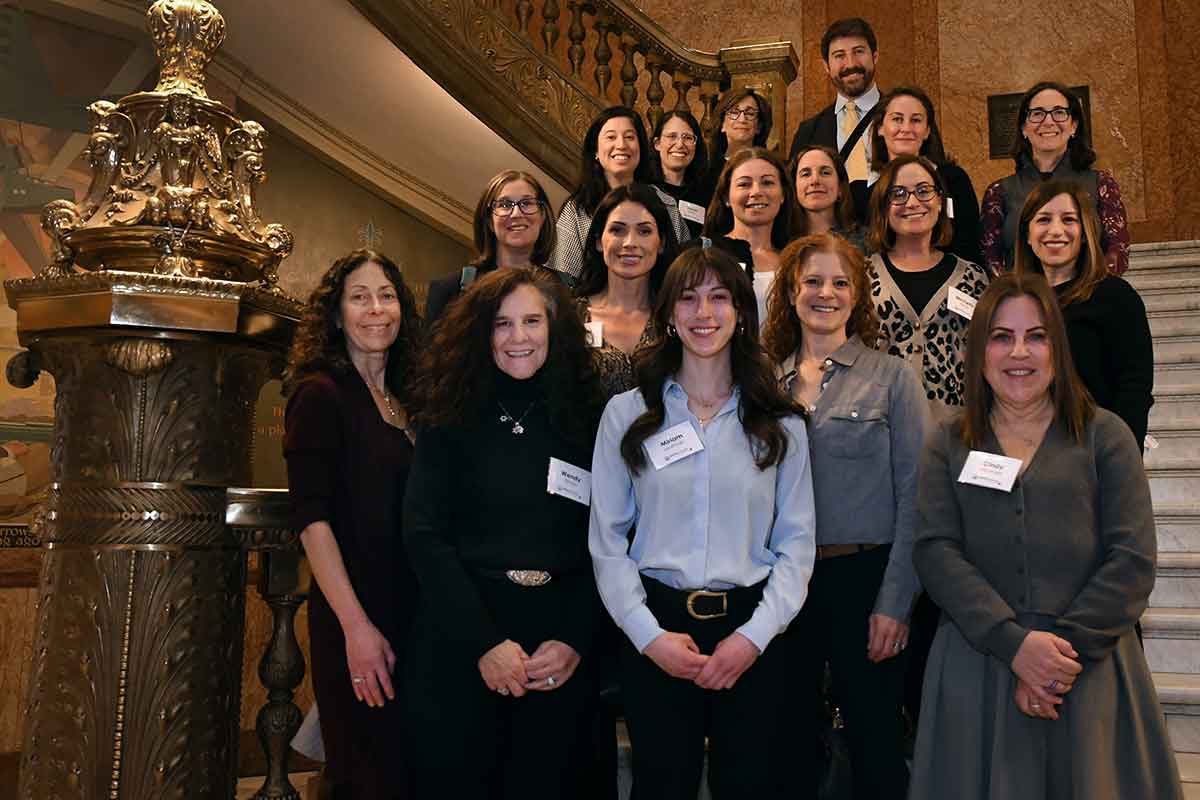
Many of the women returned for this event after their experiences during its inaugural year in 2025.
“It was so much fun last year that I wanted to come back,” said the Chair of the Women’s Philanthropy Committee Michelle Striker. “It’s also good to see new women here this year doing their first-ever advocacy with state lawmakers because this opens the door for women to be more vocal in their communities advocating for important issues.”
By the end of the morning, the women had heard directly from both Republican and Democratic lawmakers, they had visited the House and Senate where they lobbied for a Jewish community legislative priority, and they had been trained by the JCRC for more effective advocacy in the future.
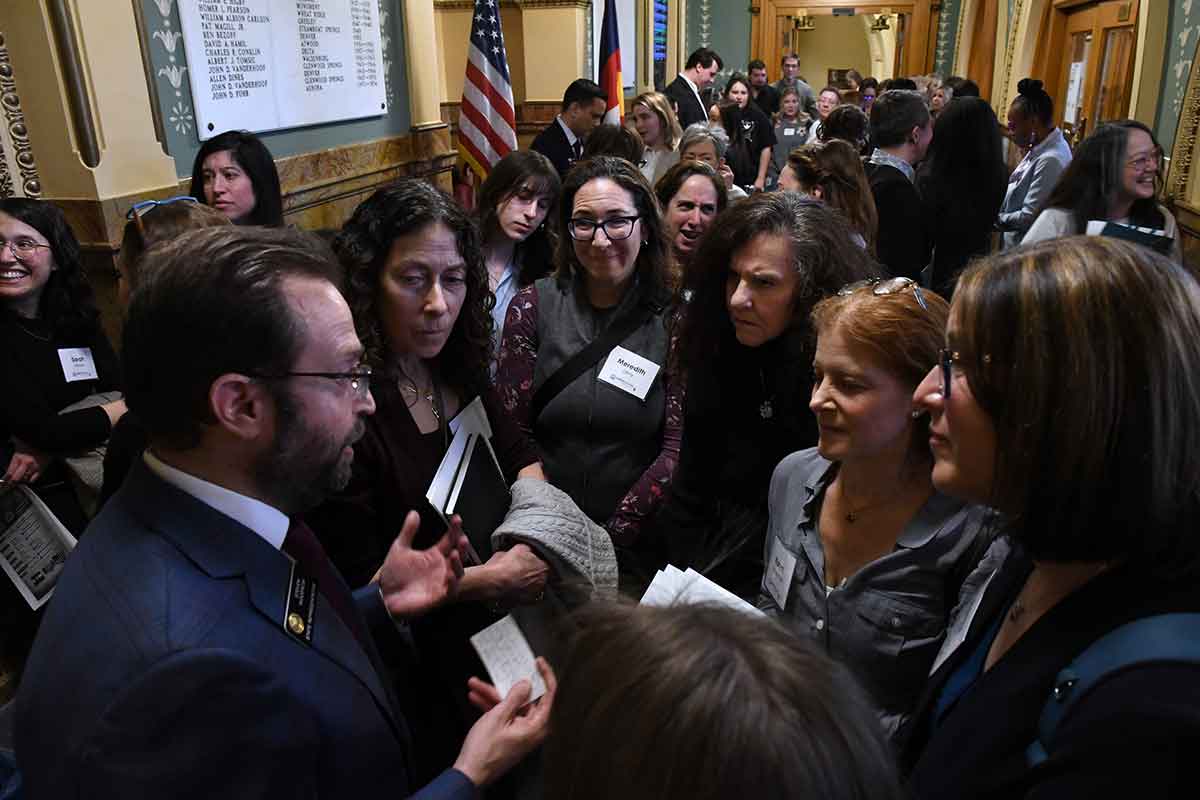
Representative Steven Woodrow
“People love the opportunity to come here and witness how the legislature works,” said Dina Silverman. “It can be overwhelming to do it on your own, but as part of a group—particularly a Jewish women’s group—we can focus on issues that are important to Jewish women and learn the right way to do it.”
Learning about legislators
The women started their day hearing from two legislators introduced by Moira Cullen, Founding Partner of The Capstone Group, JEWISHcolorado’s advocacy partner at the Capitol.
Representative Cecelia Espenoza is a Democrat, the daughter of farmworkers who became a migrant attorney and law professor. Her district includes the West side of Denver, an early Jewish immigrant neighborhood.
“Your community is why I ran,” Espenoza said. “After October 7, I realized that the only person running did not know the district or the history and did not condemn Hamas immediately after the October 7th attack. It was a powerful failing.”
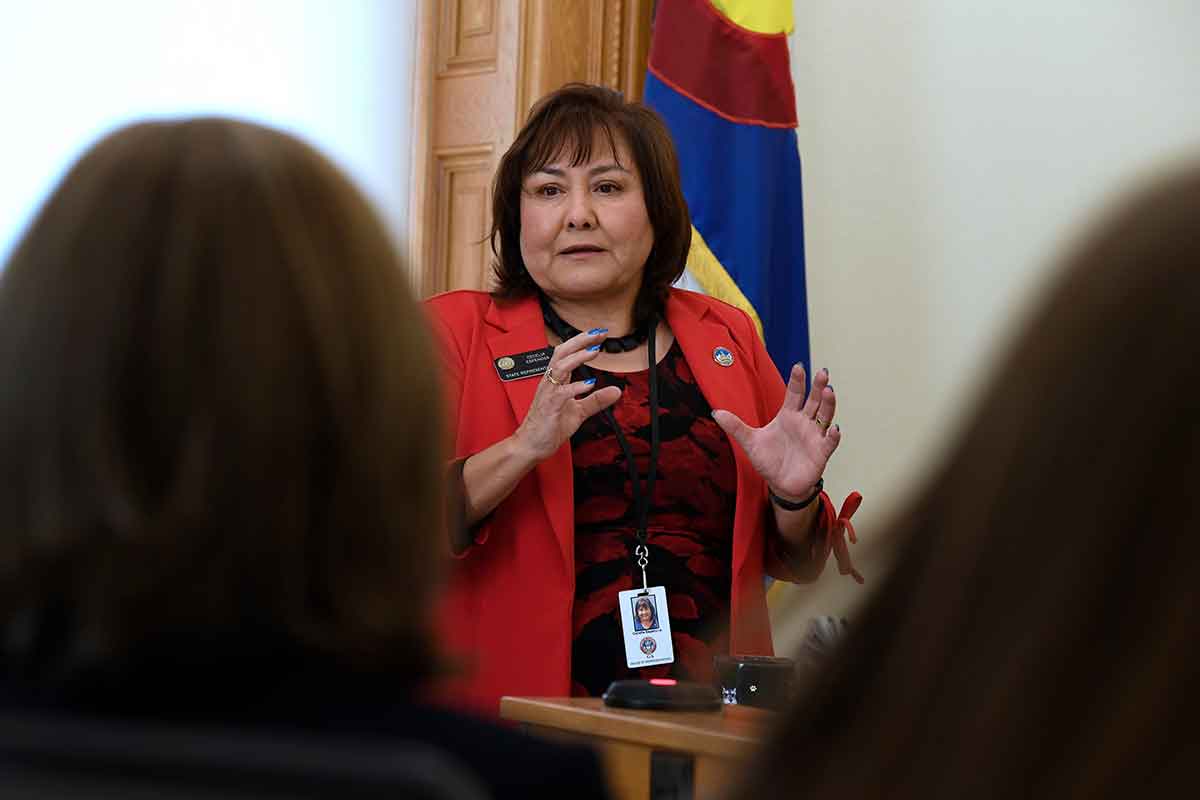
Representative Cecelia Espenoza
Espenoza traveled with JEWISHcolorado on the Public Officials Mission trip in 2025.
“I was blessed to go to Israel,” she said. “I better understand the history and know that things are not black and white.”
The group also heard from Rep. Lori Garcia Sander, a Republican whose constituents live in Weld and Larimer County. A lifelong Colorado resident, Sander’s background is in teaching and school administration.
“I always had a fire in my belly for the difficult kids,” she said. “I feel the same way in my current role, making sure we take care of everyone in our community, giving them the tools to be productive citizens.”
Sander urged the women to “know who your legislators are, learn about bills, and get involved.” Like Espenoza, she traveled on the Public Officials Mission trip in 2025 and, she said, “I can’t wait to go back to Israel.”
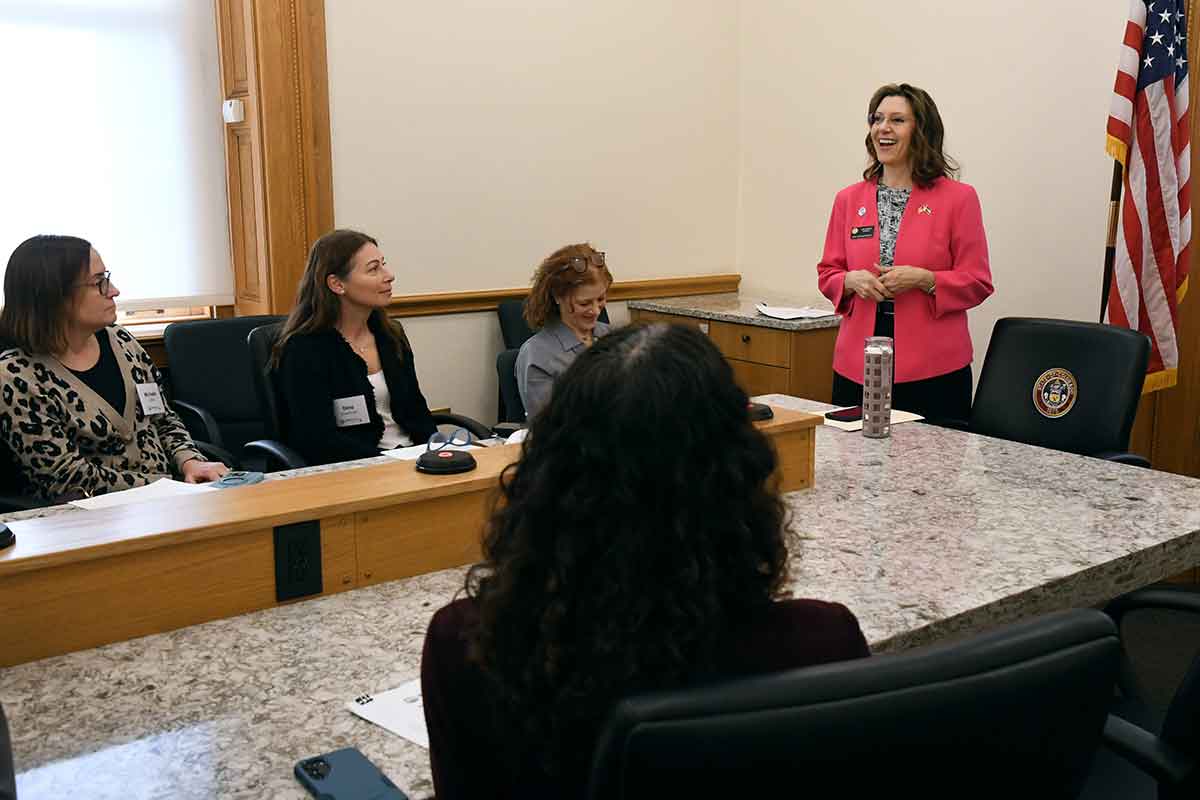
Representative Lori Garcia Sander
Rattiner told the women in the group that he saw Republicans and Democrats building relationships on that trip, connections that now help keep the Jewish community safe through state laws. He then offered a short course in lobbying, introducing the group to the Child Care Contribution Tax Credit and the many ways it helps augment the education of young children in the Jewish community.
“This Tax Credit is up for renewal this year,” Rattiner said. “In a normal year, it would sail through, but in a year with such a tight state budget, we are here to remind the legislature how important this bill is.”
Advocacy in action
With stories to tell about the importance of supporting education for children, the group climbed three long flights of stairs, divided in half, and headed to meet legislators in the House and Senate, including Sen. Matt Ball who is Jewish.
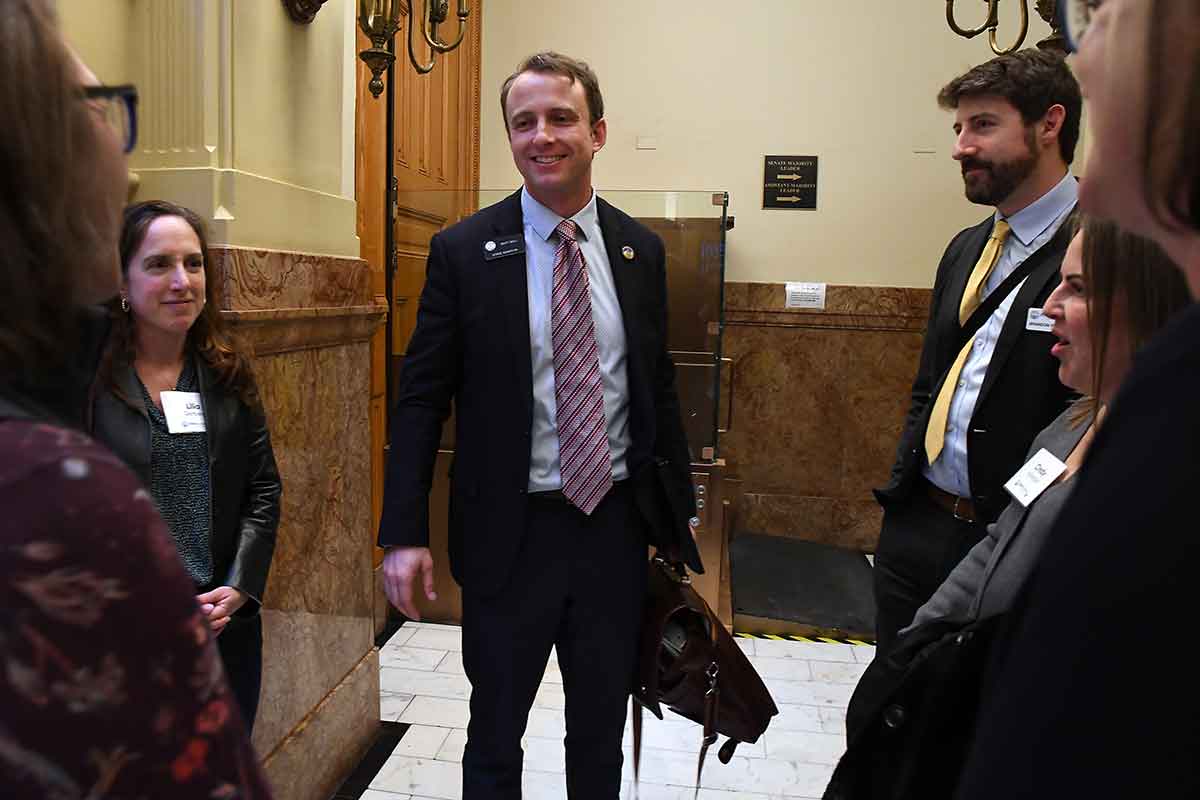
Senator Matt Ball
“To talk about an issue that you are passionate about with a group was amazing,” said Renee Cohen, who came to the Women’s Advocacy Day for the first time this year after hearing friends rave about the experience last year. “You could see what a lobbyist does and how they shepherd people through the system. The legislators were really approachable.”
“Last year, I thought the chaos in the Capitol was unique to that day, but today I realize it’s always chaos,” added Silverman. “I was involved in getting some of the legislators elected, and they are here now. It was nice to see them in action.”
The group braved the crowds and chaos to connect with a number of legislators in both chambers. They came away with a sense of triumph.
“We have more supporters than we think,” said Sarah Morris. “There are people who genuinely want to hear our voices and support our community, and that support is bipartisan. They want to listen and learn our perspective.”
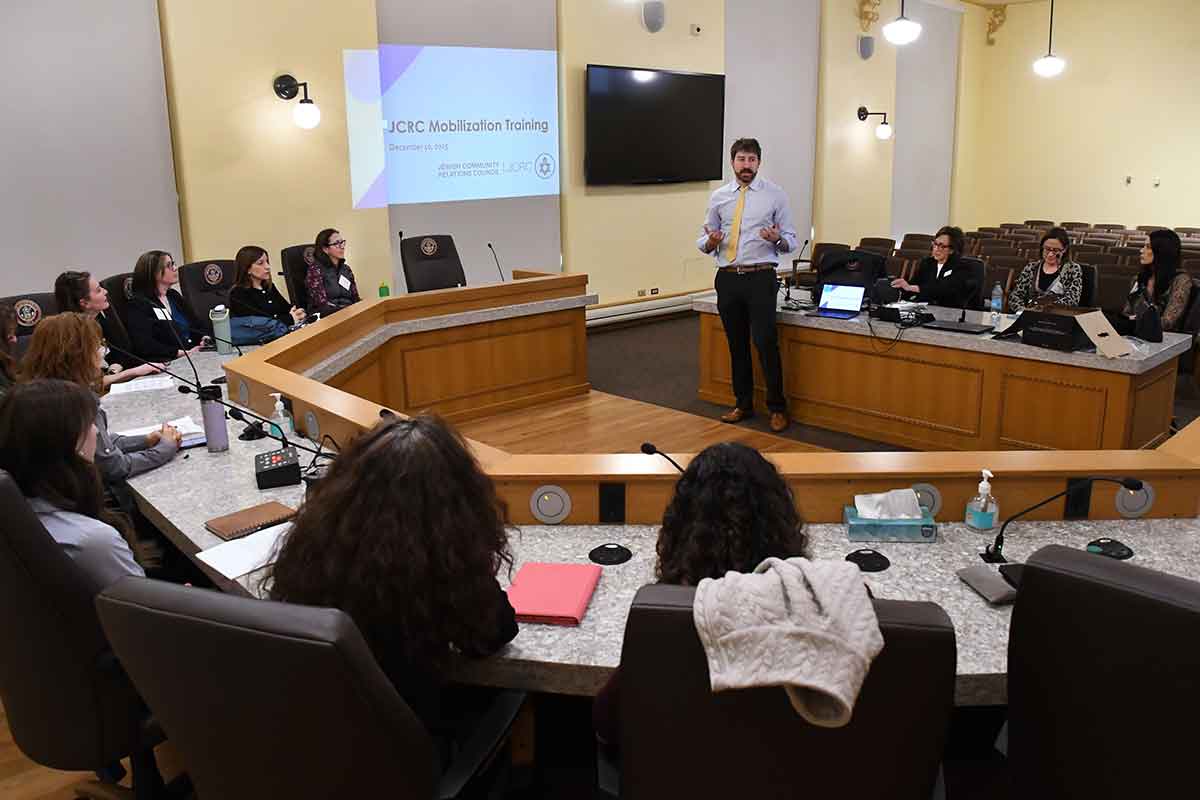
Participants in Women’s Advocacy Day ended their morning with Rattiner leading a Mobilization Training. He emphasized the positive examples of effective advocacy and reviewed the strategies that are not productive—demonizing others and “fighting everything, everywhere, all the time.”
“Be clear, direct, respectful, and professional,” he told the group. “You cannot educate if you are yelling. And ask yourself—is your goal to make yourself feel better or to change the outcome?”
The heart of advocacy is not to win but to build trust, Rattiner said. That happens most effectively through storytelling.
“Tell a story about a value you share with the person you are speaking with,” Rattiner said. “Stories stay with people.”