
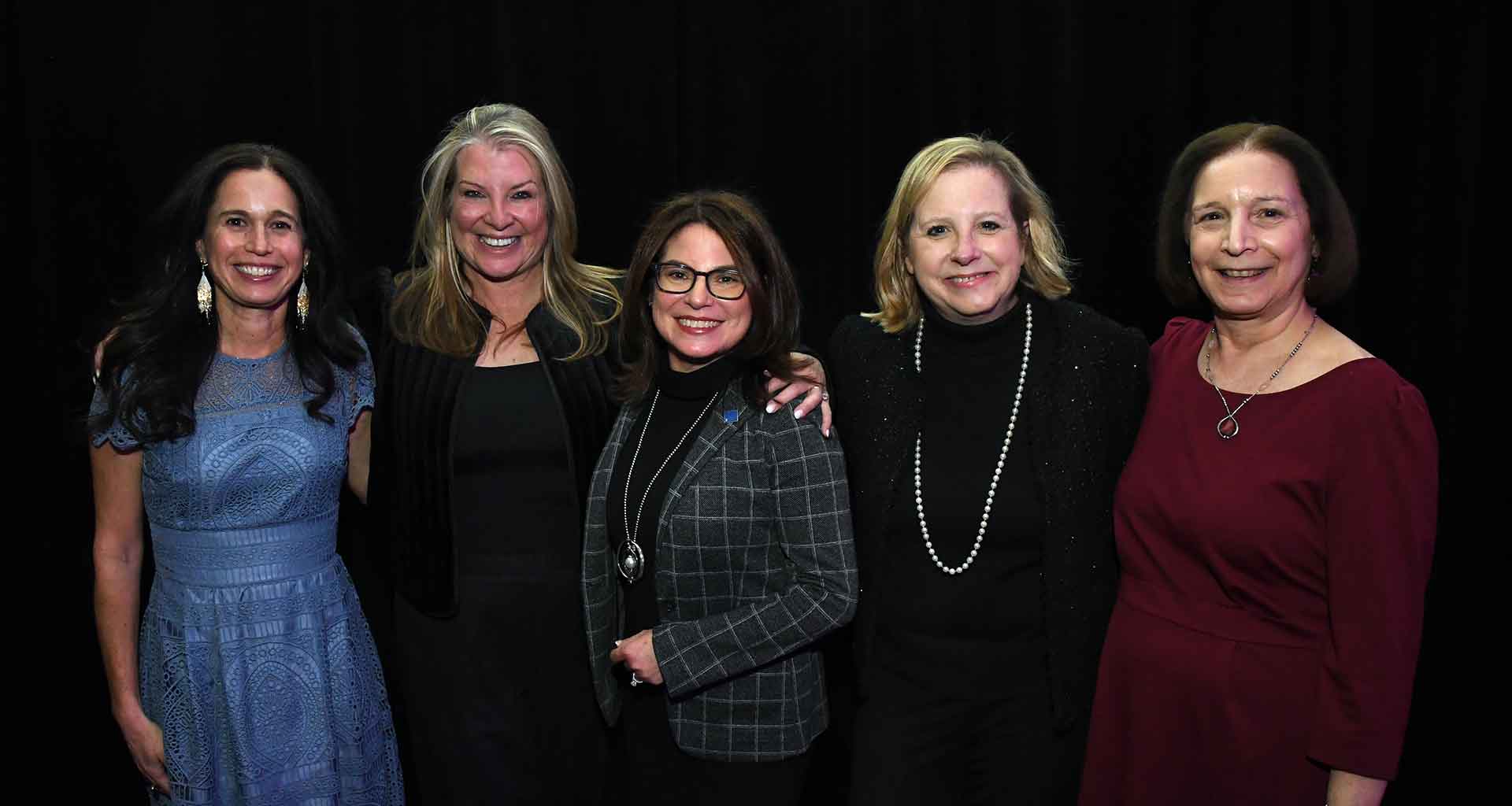





In the past two years, JEWISHcolorado has donated more than $1 million in emergency funding to the Nitzana educational community in Israel’s Negev desert. Nitzana bridges social gaps and offers meaningful education to a diverse community of 375 students. After October 7th, the funding was used to house Israelis evacuated from their homes in the Gaza envelope, to provide respite care for IDF reservists and their families during the war, to develop an art therapy program, and to design strategies to recruit and retain staff.
“These donations help Nitzana thrive and grow,” says Chief Development Officer (and former JEWISHcolorado Shaliach) Itai Divinsky. “This support brings optimism for the future and for the Israeli people.”
“For me, the most important thing we are doing at Nitzana is giving hope,” adds Avi Cohen, Director of Nitzana. “We are building Israeli society, and JEWISHcolorado’s help is the wind beneath our wings.”
Divinsky and Cohen recently traveled to Colorado to meet with Nitzana supporters. With them, they brought Shaharazat Elabid, a Bedouin staff member who supervises recreational activities at Nitzana’s Bedouin boarding school for boys. This was Elabid’s first trip to the United States, and her perspective as a Bedouin teacher working one-on-one with students provides unique insight into the remarkable and life-changing educational opportunities at Nitzana.
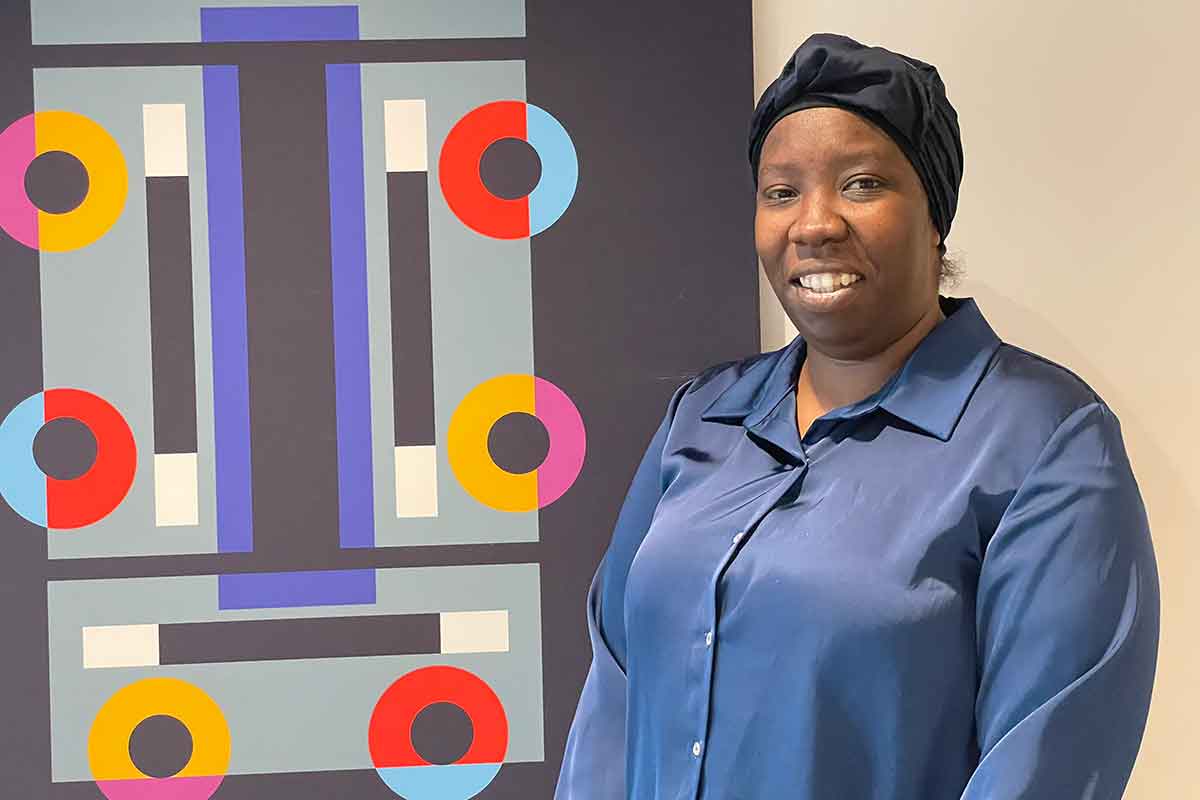
Shaharazat, you arrived here in Colorado just hours ago, and you are already receiving messages from your students at Nitzana?
Yes, they are sending me WhatsApp messages saying, “Are you okay?” “Did you land in Denver?” “We miss you!”
What motivated you to pursue a position at Nitzana two years ago?
I have been in love with working with youth since I was a teenager, especially with experiential education. For me, this work is a way to give back.
Your students are all male, Bedouin boys in the Nitzana boarding school. Is it common for them to have a woman teacher?
No! When I came to work at Nitzana two years ago, the boys looked at me like I was an alien. The staff was entirely male, with the exception of one other woman. I started with the younger boys who were 13 and 14 years old. But the older boys who were 18 or 19—they could be intimidating, partly because they were just so big! But over time, I worked things out with them.
And now, two years later, they are checking up on you while you travel! How did you earn their trust?
I think my secret formula was that I listened to them. Man to man, they do not like to talk about their feelings, but as a female figure, I could treat them more like a mother. It takes time, but eventually they talk, share, and listen. It is like having a family with 150 children. I just love them. When the sun sets, we sit together and talk about life and the future. They have so much pain in their hearts.
What is the source of that pain?
They ask how they can live as good people in a violent society. I have one student who is very intelligent and talented, just a really good kid. His uncle was killed, and he came to me to say he was really struggling. His family wants to take revenge for the death, but he told me that he doesn’t believe in that, so he is torn between his beliefs and his family’s desire to take action.
What did you tell him?
I told him to talk with his parents and to not give up on his beliefs. Eventually, I think they will listen to him. I told him that the most important thing is that he should not give up, because if you give up once you will always give up.
Perhaps hearing that advice from you carries more weight because you are Bedouin. Do you also have experience with not giving up?
I grew up in Segev Shalom, a small Bedouin village near Be’er Sheva, and I lived there my whole life until I came to Nitzana. The town did not have much—no recreational activities, no social community. It is still very traditional. You live with your own tribe, and in this town, that is El Azazma. We live by our values—respect for elders, family comes first, education is very important.
I was one of eight children, the oldest girl with four younger sisters. I went to work when I was in seventh grade to help support my family. When I was 18, I traveled to Poland to volunteer with other teenagers. To this day, there are other members of the community who do not speak to my parents because they let me branch out and leave Segev Shalom for that trip.
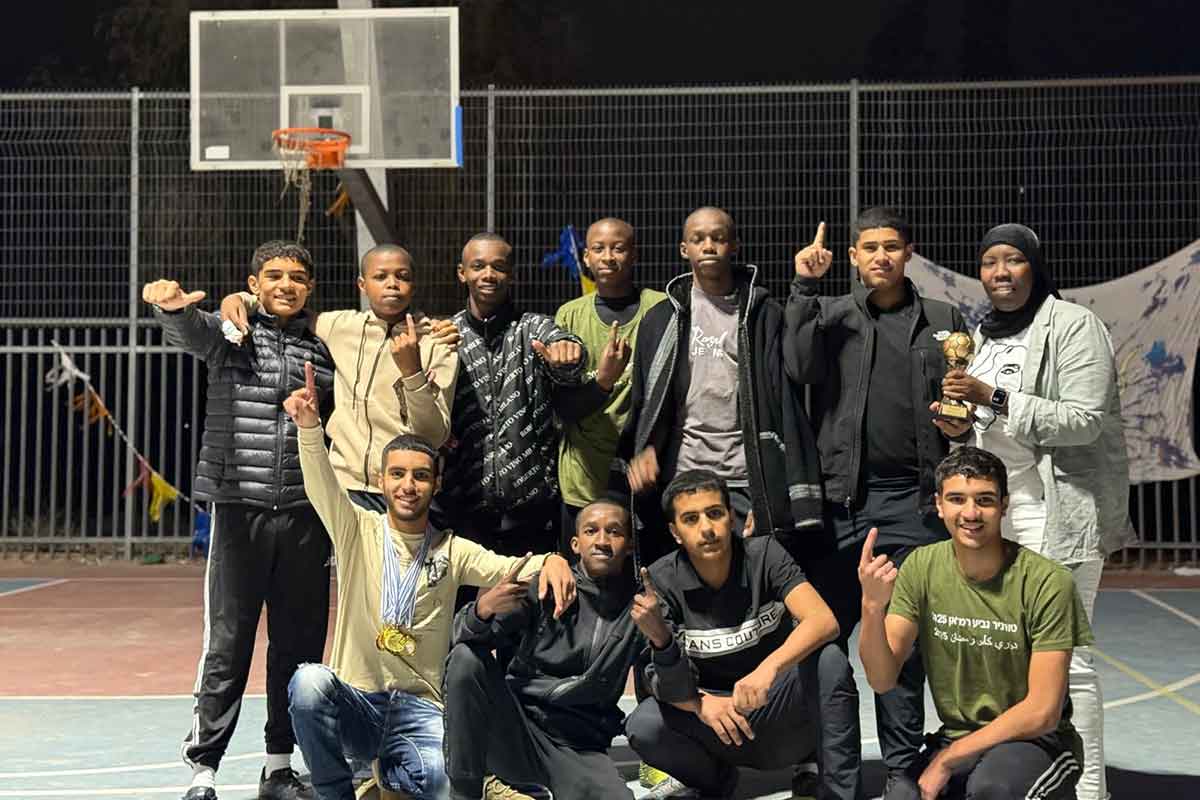
Shaharazat Elabid with some of her Bedouin students
But it sounds like your parents supported your adventurous side?
My father left the family for 10 years during my childhood, so I mostly grew up without a father figure. He returned to the family, and he is very involved now. My mother is amazing. She is a self-made woman. She cannot read or write Arabic, but she taught herself to read and write Hebrew. She taught me to believe in myself and go against all odds, even if that means going against the world.
You jump seamlessly from excellent English, Hebrew, and Arabic. Where did you learn English?
I learned English from my grandmothers. They learned English from the British.
Do you think your personal experience has contributed to your commitment to Nitzana?
The educational system in our Bedouin villages is not accommodating for every student. At Nitzana, you get the academic help and the emotional support you need, and there is the opportunity for all children to make something of themselves.
Those Bedouin boys are learning in the same community as students from a variety of backgrounds.
Nitzana is an educational community that is like a large puzzle. There is the boarding school for Bedouin teens from different tribes, families, and backgrounds. There is also a boarding school for Israeli teens with a focus on agriculture and environmental learning. There are Russian olim who have made aliyah and are learning to assimilate into Israeli society. There are students in Derech Eretz, learning skills to prepare them for IDF service. There are Shinshinim, teachers, and staff, and there are volunteers from around the world. Young people can find what is unique about themselves and connect to a very diverse community. Eventually, they find their place and become part of the puzzle.
Do you think you will ever leave Nitzana?
Bedouin can contribute to and improve Israeli society. They just need the chance to do that. This school is the first step. This is my place. It is part of my life and my identity. Even when I am here in Colorado, I cannot disconnect from Nitzana.